
“Do not be deceived: God cannot be mocked. A man reaps what he sows.” Galatians 6:7 NIV
It’s been a while since we’ve had to watch Bob the Tomato and Larry the Cucumber from VeggieTales. Those quirky videos were a favorite of our grandson, Chase. The Bible-based stories were memorable, but the intro music? Total earworm. (Cue the theme song: Listen here)
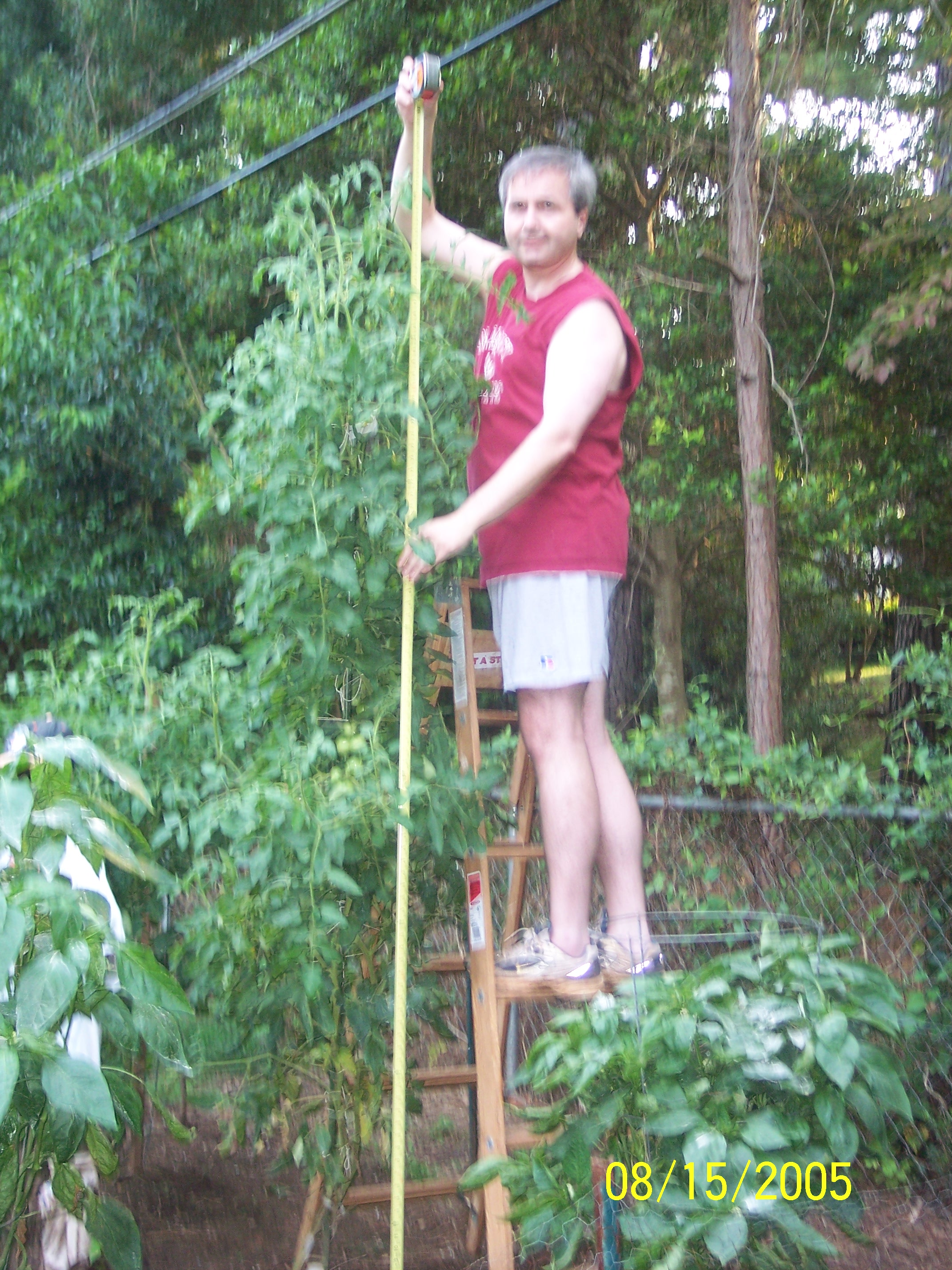
Recently, while flipping through old garden photos, I unpacked more than just memories. Like their animated counterparts, the veggies from our backyard taught me a few spiritual truths worth passing on.
1. Significance
Like a business, a garden doesn’t have to be big to be significant. Ours produced more than we could eat, so we shared it with neighbors and friends. Abundance gives us the opportunity for generosity.
Jesus warned about the temptation to hoard, building bigger barns rather than giving things away. Why? Because hoarding decays. Conversely, generosity creates meaning, purpose, and joy in this life and the next.
2. Growth
If you want tomatoes to thrive in the Deep South’s clay soil and intense heat, you have to water the roots. I saved old milk jugs, poked holes in the bottom, and buried them next to the plants. This simple method funneled water directly to where it was needed most.
Spiritual growth works the same way. Jesus described his Word as living water—it satisfies our deepest thirst. We grow strong when we allow Scripture to soak deep into our hearts. Reading, studying, and memorizing the Word waters our roots.
3. Threats
The most destructive threats to my zucchini and cucumber plants came from the inside. Squash borers and grubs attacked the stems from within, killing the plants almost overnight. One day, everything looked lush; the next, the stems were limp and lifeless.
Sin does the same to the soul. Left unchecked, it works from the inside out—quietly, persistently, destructively.
“We reap what we sow” isn’t some cosmic karma principle or behavior scoreboard. It’s a warning. Like a smoke alarm or a parent saying, “Don’t touch the burner,” it protects us from destruction.
Jesus often taught using farming metaphors for a reason: they’re simple, memorable, and rich with meaning. Habitual sin might not seem urgent initially, but it’s always working—like the grub in the stem. The enemy seeks to steal, kill, and destroy. We must be vigilant. (Don’t get me started about what the squirrels did to my tomatoes 😀.)
Running the play means sowing the right seeds, watering them deeply, and guarding the garden against threats. It’s how we reap an abundant harvest—the kind Jesus promised.
Run the play. Abundant harvests await.
“Still other seed fell on good soil, where it produced a crop—a hundred, sixty or thirty times what was sown.” – Matthew 13:8 (NIV)
Finding Our Place in the Story
Where are you currently experiencing abundance? How might God be inviting you to share it?
What habits help you get God’s Word to your roots? What might help even more?
Are there “hidden grubs” in your spiritual life—small compromises or unchecked patterns that could be dangerous over time?


Leave a Reply