
“Unless a grain of wheat falls into the earth and dies, it remains alone; but if it dies, it bears much fruit.” — John 12:24
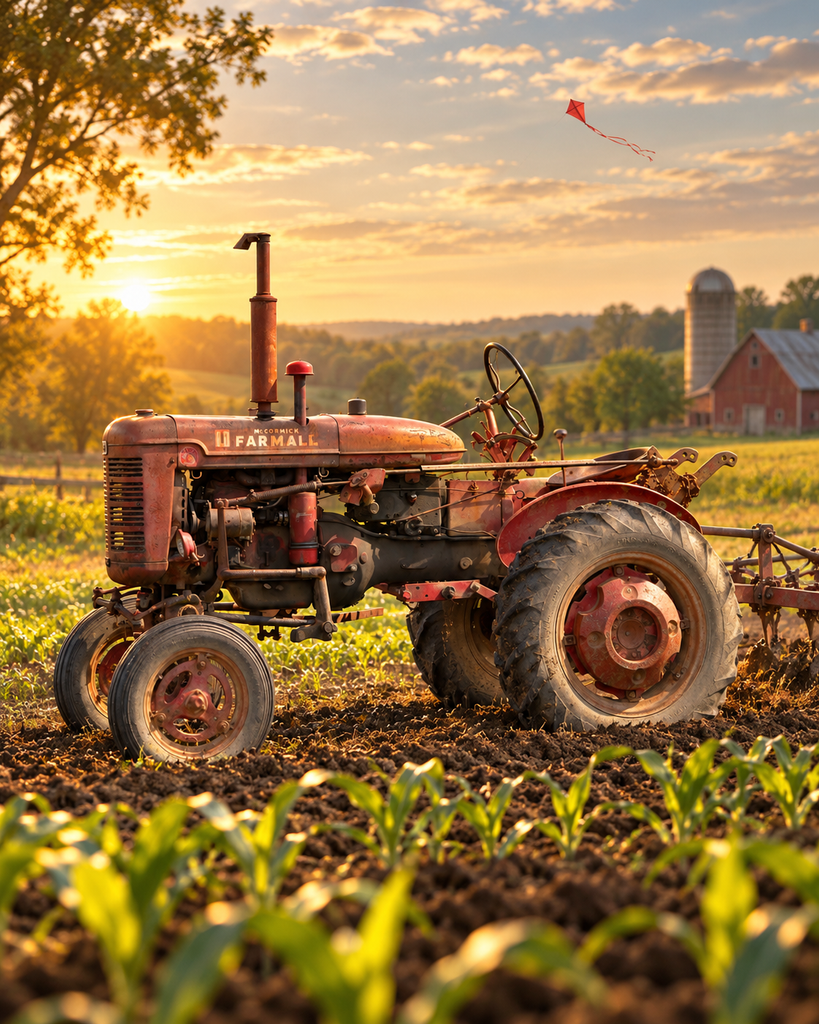
How things grow is mysterious, but anything worth growing benefits from being cultivated.
Friendships. Marriages. Character. Trust. Health. Communities. Skills. Generosity. Faith.
None of these flourish simply because we hope they will.
I attended a meeting recently that chose Cultivate as its theme. When I hear the word cultivate, I don’t first think of a strategy. I think of a Farmall tractor from my childhood that pulled a small cultivating implement.
Growing up, our neighbors had eight kids and a small farm. My friends had to finish their chores before playing, but if I helped, we could finish quicker. When the chore was cultivating the young plants, we did it largely with hoes powered by small human beings. 😂
But when the Farmall was mobilized, the work went much faster.
I can still smell the oil and exhaust, feel that terrible seat, hear the clutch grind, and remember the thrill of driving it as a boy. Cultivation was dirty, careful, hands-on work. You had to get close to the crop and pay attention to what was happening in the rows.
Leading up to the meeting, I kept coming back to those memories and how much work went into caring for young plants so they could grow.
Loosening the soil. Removing weeds. Fertilizer and water. Rain and sunshine.
It got me thinking beyond an organization’s mission and vision and about the things and relationships in our own lives that need cultivating.
Loosening the soil might mean making room in an overcrowded life for the people and things we say matter most.
Pulling weeds might mean recognizing the habits, distractions, resentments, or patterns that compete with what we want to grow.
Watering and fertilizing might be the small, repeated investments that nourish growth: a conversation, an apology, encouragement, or a small act of kindness.
Sunshine might simply be our presence. Showing up. Sharing a laugh. Listening. Helping someone know they are seen, valued, and not alone.
For me, cultivation goes deeper still. As a follower of Jesus, I’ve learned that I can cultivate the soil of my life, but I cannot manufacture the character I desire or the person I want to become.
Paul captured that distinction beautifully:
“I planted the seed, Apollos watered it, but God has been making it grow.”
I have a role. But I am not the source of the life or the fruit it produces. Cultivation is integral to the process, but the growth and formation come from God.
I think that old Farmall has been teaching me something all these years. We cannot force growth. But we can cultivate. We can loosen some soil. Pull a few weeds. Bring some water. Let in some light. And perhaps most importantly, we can get close enough to notice what needs tending.
The rest remains something of a mystery. A seed disappears into the soil, and somehow life emerges and fruit comes.
That old tractor also taught me something else:
Cultivation requires proximity. We had to get close to those tender plants without damaging the very thing we were trying to help grow. That is true of almost every precious relationship we are given to steward.
So maybe the question isn’t simply, What do I want to grow?
Maybe it is: What in my life needs cultivating right now?
And who might need me to get close enough to notice what needs tending?
Run the play.
Finding Our Place in the Story
What relationship, habit, or area of your life could benefit from a little intentional cultivation this week?
Leave a Reply